
The Sunoco Pit Stop

A Brief History of Gas Stations in America: How Fuel Stops Have Evolved
Posted on 7/21/2025
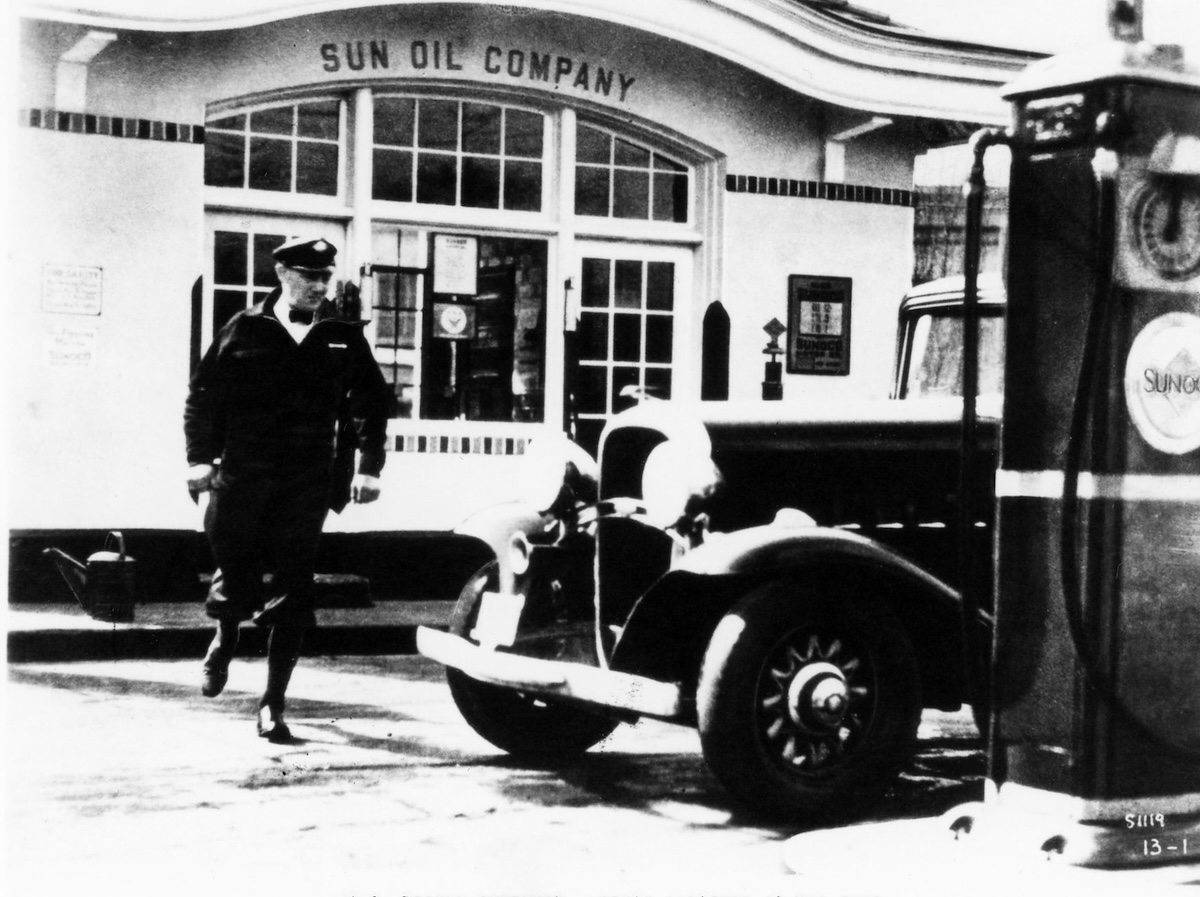
Gas stations are essential to American driving culture, but they weren’t always the well-lit, convenience-packed stops we know today. From simple roadside fuel barrels to expansive service centers, the history of gas stations reflects how America’s relationship with cars has evolved. As vehicle technology advanced and highways stretched across the country, fuel stations adapted to meet the needs of drivers—offering not just gasoline but convenience, services, and even entertainment.
Today, finding the nearest gas station is easier than ever, with Sunoco stations conveniently located across the country. But how did these essential stops come to be? Let’s look back at the evolution of American gas stations.
The Early Days: When Fuel Came in Barrels
Before the first official gas station, drivers in the early 1900s got creative when filling up their automobiles. Gasoline wasn’t readily available at roadside locations, so early motorists purchased fuel in bulk from general stores, blacksmith shops, or pharmacies. These locations hand-pumped fuel stored in barrels into cars.
In 1905, the world’s first dedicated gas station was built in St. Louis, Missouri. This new model allowed drivers to pull up and purchase fuel without transferring it from a canister. However, it wasn’t until 1913, when Gulf Refining Company opened the first drive-up gas station in Pittsburgh, Pennsylvania, that the concept of a modern fuel station really took off.
The Rise of the Service Station (1920s - 1950s)
As cars became more popular, the demand for dedicated fueling locations increased. By the 1920s, major oil companies began opening service stations where drivers could refuel, check tire pressure, and seek car repair services.
During this period, gas stations evolved into branded service centers. Companies like Sunoco, Texaco, and Shell introduced uniformed attendants who pumped gas, cleaned windshields, and offered mechanical assistance.
- 1920s - 1930s: The Great American Road Trip era began, as improved roads and the rise of automobile ownership encouraged long-distance travel. Gas stations expanded rapidly to accommodate this shift.
- 1940s - 1950s: The introduction of self-service stations allowed drivers to pump their own gas, reducing fuel prices and increasing efficiency.
By the 1950s, it was nearly impossible to travel without coming across a gas station. Today, you can still find a nearby fuel station with just a quick search.
Highways, Convenience, and the Birth of Modern Gas Stations (1960s - 1980s)
The Interstate Highway System expansion in the 1950s and 1960s revolutionized gas stations once again. Stations began providing food, rest areas, and even entertainment for road-weary travelers.
Fast-food chains began partnering with gas stations, creating the first convenience-focused fuel stops. This shift transformed gas stations from simple refueling points into destinations where travelers could stock up on snacks, use restrooms, and take a break.
- 1970s Fuel Crisis: Due to gas shortages and rationing, stations had to limit hours and impose restrictions on fuel purchases.
- 1980s Technology Boom: Automated pumps, credit card readers, and loyalty programs began appearing at stations, making fueling up more convenient.
The Gas Stations of Today: More Than Just Fuel (1990s - Present)
Today’s gas stations have evolved into full-service convenience hubs, catering to a wide range of driver needs. From premium fuel options to digital payment solutions, gas stations have embraced modern technology and customer convenience like never before.
Key Innovations of the Modern Gas Station:
- High-Performance Fuels: With advancements in engine technology, drivers now have access to specialized fuel blends, including the highest octane gas on the market* for high-performance vehicles.
- Mobile Payments & Rewards: Apps like Go Rewards® allow drivers to earn points and pay for fuel seamlessly.
- Electric Charging Stations: As electric vehicles gain popularity, more gas stations are incorporating EV charging hubs.
- Expanded Food & Beverage Options: Many stations now offer fresh food, barista-style coffee, and even grocery selections.
During this time, Sunoco continued to innovate, ensuring its customers had access to TOP TIER™ fuel designed to keep engines running smoothly.
The Future of Fuel Stops: What’s Next?
With rapid advancements in transportation, gas stations continue to evolve. Some key trends shaping the future of fuel stops include:
- More Sustainable Fuel Options: Renewable fuels and biofuel blends are becoming more common.
- Integration of AI & Automation: From self-checkout kiosks to AI-driven maintenance alerts, automation is streamlining the fueling experience.
- EV and Hydrogen Fuel Expansion: As electric and hydrogen-powered vehicles gain traction, more stations will diversify their fueling options.
Sunoco’s Role in Fueling America
For more than 100 years, Sunoco has been a trusted name in American fuel. From the early service stations of the 1920s to today’s modern fuel stops, Sunoco continues to provide drivers with quality, convenience, and reliability. According to the U.S. Department of Energy, modern gasoline formulations, including those meeting TOP TIER™ standards, can help prevent engine deposits and improve overall vehicle performance.
Whether you’re looking for a local gas station, a full-service fuel stop, or the latest in high-performance fuel, Sunoco has you covered. The next time you’re on the road, stop by a Sunoco station to fuel up and experience a century of excellence in every drop.
* Sunoco’s 94 Octane delivers the highest-octane rating sold at gas stations for purchase at the pump in the U.S.