
The Sunoco Pit Stop

Avoid Running on Empty: 8 Signs You Should Top Off Your Gas
Posted on 7/21/2025
If you’ve pushed your gas tank close to empty before refilling, you’re not alone. But waiting too long to refuel isn’t just a minor inconvenience; it can lead to unnecessary stress, potential vehicle issues, and even dangerous situations. While the fuel gauge is an obvious indicator, there are other signs you should fill your gas tank before you find yourself running on fumes.
If you’re unsure when to refuel, here are key warning signs to watch for, when to refuel, and why keeping your tank from running too low is important for your car’s health. When you do need to fuel up, you can find a nearby gas station with Sunoco’s convenient station locator.
1. Your Fuel Light Has Come On
Let’s start with the most obvious sign—your dashboard fuel light. Many cars have a built-in warning system that alerts drivers when fuel levels drop dangerously low. But waiting until this light turns on isn’t the best habit.
Most fuel lights indicate that you have between 30 and 50 miles left, but that range varies by vehicle. If you’re driving in an area where gas stations aren’t readily available, waiting for the light can leave you in a tough spot. Instead of risking an empty tank, get in the habit of refueling when you have about a quarter tank left.
2. Your Car Hesitates or Struggles to Accelerate
If you notice sluggish acceleration or momentary hesitation when pressing the gas pedal, it could be a sign your fuel levels are too low. The fuel pump may not be getting a consistent supply of gas, causing temporary disruptions in engine performance.
To prevent this, keep your tank above empty and consider using the highest octane fuel* if your vehicle requires or benefits from it. High-performance fuels can help maintain consistent combustion and prevent engine knocking.
3. You Hear Strange Noises from the Fuel Pump
A properly functioning fuel pump should operate quietly. However, when fuel levels drop too low, the pump may start making unusual whining or humming sounds. This happens because the pump works harder to pull in fuel, and if it runs dry, it can overheat and wear out faster.
Frequent low-fuel situations can prematurely damage your fuel pump, leading to costly repairs. Avoid this by keeping your tank at a reasonable level, especially if you notice your vehicle’s pump making unexpected noises.
4. You’re Driving in Cold Weather
Winter driving brings its own set of challenges, and low fuel levels can make things even worse. In colder temperatures, condensation can form inside an almost empty gas tank, leading to water contamination in the fuel system. This can cause hard starts, sputtering, or even prevent your car from running altogether.
To help avoid fuel system issues, top off regularly—especially before temperatures drop overnight. Keeping at least half a tank of gas in cold weather can prevent condensation-related problems and keep your car running smoothly.
5. You’re Stuck in Stop-and-Go Traffic
Heavy traffic burns fuel faster than steady highway driving. If you're stuck in stop-and-go conditions for an extended period, your fuel levels can drop quicker than expected. Running the air conditioning, idling, and slow acceleration all contribute to higher fuel consumption.
When planning long drives or city commutes, ensure your tank has enough fuel to handle unexpected delays. If you’re unsure where to refuel, use Sunoco’s station locator to find the nearest gas station.
6. Your Vehicle Is Running Rough
Low fuel can cause inconsistent engine performance, leading to misfires, rough idling, or an overall bumpy ride. Air bubbles entering the fuel system when levels are critically low can cause these performance issues.
If your car starts behaving unpredictably when your tank is near empty, you should fill up sooner rather than later. Regularly topping off your gas can help avoid these performance hiccups.
7. You’re About to Hit the Highway
Long highway stretches with limited refueling options can turn a low gas tank into a serious problem. Unlike city driving, where gas stations are common, highways and rural roads may not have fueling stations for miles.
Before starting a long trip, it’s always best to fill up—especially if you’re unfamiliar with the route. Diesel vehicles should consider using diesel fuel during extended drives for long-haul efficiency.
8. Keeping Your Tank Healthy Helps Your Car’s Performance
Running on empty isn’t just inconvenient—it can lead to long-term damage. Low fuel levels can allow sediment and impurities to enter the fuel system, clogging filters and potentially harming your engine.
According to the U.S. Department of Energy, maintaining a proper fuel level and using high-quality fuel can help prevent fuel pump damage and maintain engine efficiency. Visit the Department of Energy’s official site to read more about fuel quality and its impact on vehicle performance.
Maintaining a sufficient amount of fuel helps your car operate at peak efficiency. This is especially important for high-performance vehicles that require premium fuel, like the highest octane fuel*, to prevent knocking and enhance engine stability.
Why It Pays to Refuel Regularly
Keeping your tank above empty doesn’t just prevent breakdowns—it helps prolong the life of your vehicle’s fuel system and can improve reliability. Recognizing these signs that it’s time to refuel can help you avoid last-minute stress and potential repairs.
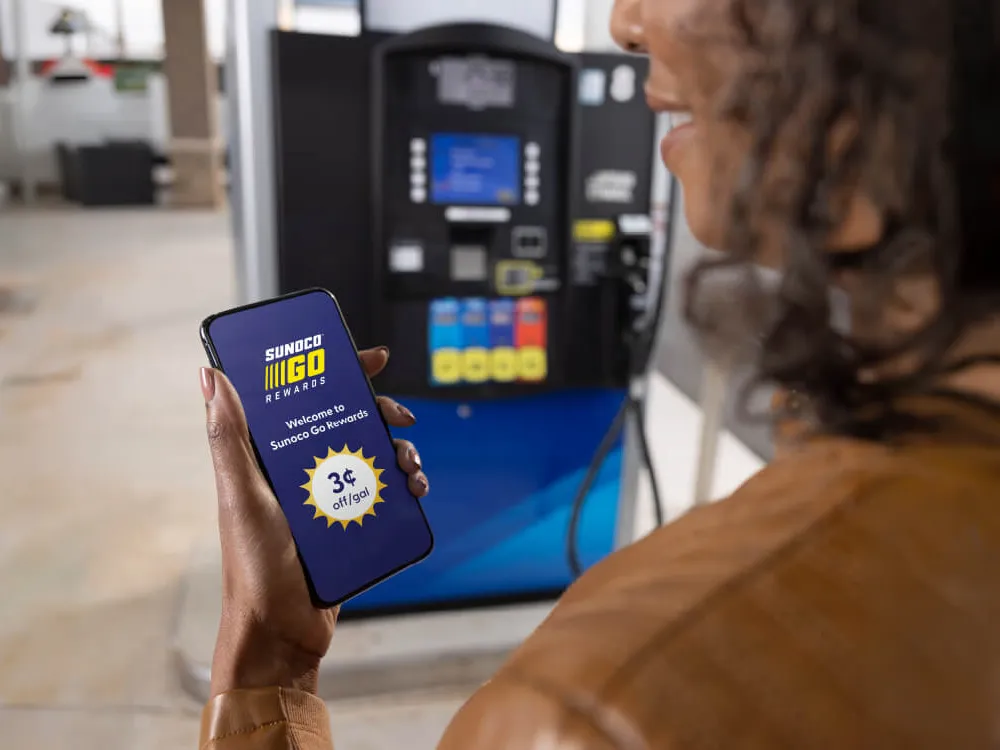
When it’s time to fill up, make the process even easier with Sunoco’s Go Rewards® app. You’ll earn rewards while fueling up at trusted Sunoco stations, ensuring the best experience every time you stop.
So, don’t wait until the last drop—stay ahead of the game and refuel when you see these warning signs. Safe travels!
* Sunoco’s 94 Octane delivers the highest-octane rating sold at gas stations for purchase at the pump in the U.S.