
The Sunoco Pit Stop

Race Fuel vs. Pump Gas: What's the Difference?
Posted on 10/15/2026
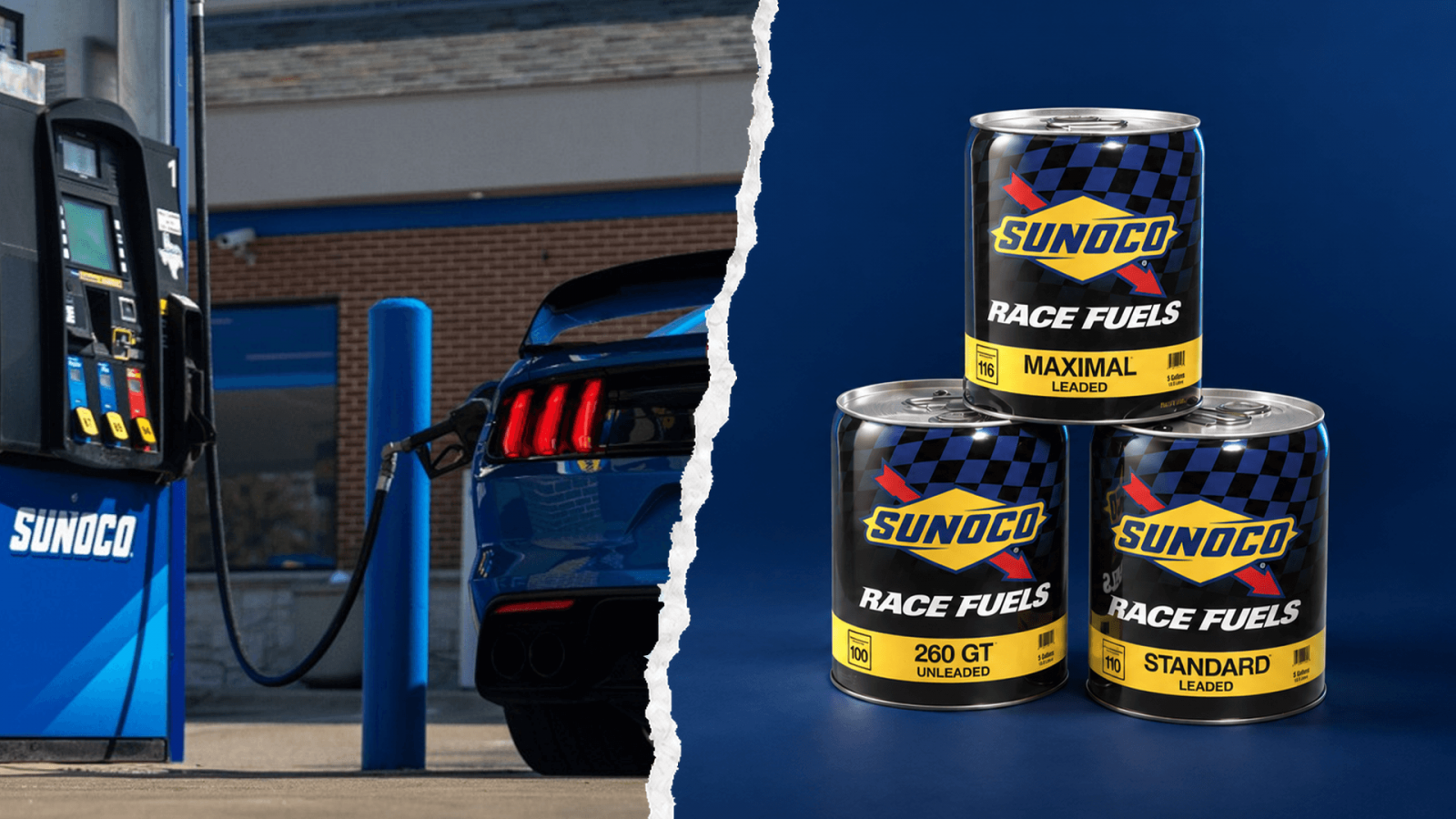
Race fuel and pump gasoline are both designed to power gasoline engines, but they're formulated for different applications. Pump gasoline is designed for everyday passenger vehicles and public-road use, while race fuels are developed for specific motorsports applications and engine requirements.
The differences go beyond octane. Fuel composition, oxygen content, ethanol content, and regulatory requirements can all vary depending on the fuel and how it is intended to be used.
In this guide, we'll break down the key differences between race fuel and pump gasoline, explain common terms like AKI, RON, and MON, and answer some of the most common questions about choosing the right fuel.
What Is Pump Gasoline?
Pump gasoline is the fuel most drivers purchase at retail fueling stations for everyday transportation. It is formulated to meet applicable federal and state requirements while supporting the needs of modern passenger vehicles across a wide range of driving conditions.
Depending on the station and location, pump gasoline is typically available in multiple octane grades. Vehicle manufacturers specify the appropriate octane rating for their engines based on factors such as engine design and operating conditions.
Pump gasoline is designed for broad use across production vehicles, with formulations that balance drivability, emissions requirements, engine compatibility, and other needs of everyday transportation.
What Is Race Fuel?
Race fuel is formulated for motorsports applications, where engines may operate under different conditions than those encountered during everyday driving. Depending on the racing series, engine design, and competition requirements, race fuels can vary in octane rating, oxygen content, vapor pressure, and other fuel properties.
Race fuel is not a single type of gasoline. Different formulations are developed for different applications, so the appropriate fuel depends on the engine, vehicle, and requirements of the racing organization or sanctioning body. Sunoco offers a range of race fuel formulations for different motorsports applications, with options designed to meet varying engine and competition requirements.
Some race fuels are intended specifically for competition and may not be approved for use on public roads.
How Does Octane Differ?
One of the most common misconceptions about gasoline is that higher octane automatically means better fuel. In reality, octane measures a fuel's resistance to engine knock. It does not directly measure overall fuel quality or guarantee increased engine performance.
What Is Engine Knock?
Engine knock is a form of abnormal combustion that can occur when the air-fuel mixture ignites in an uncontrolled manner during the combustion process. This can create pressure waves inside the cylinder and, under certain conditions, contribute to engine damage.
Higher-octane fuels have greater resistance to knock, which is why they may be required or recommended for engines with higher compression ratios, turbocharging, or other designs that can create higher cylinder pressures and temperatures.
For vehicles designed to operate on regular gasoline, however, using a higher-octane fuel does not necessarily provide additional performance or fuel economy benefits.
Understanding AKI, RON, and MON
The octane number displayed on a fuel pump is not the only way octane is measured. AKI, RON, and MON are three terms you may encounter when comparing gasoline specifications, particularly when looking at race fuels.
AKI, or Anti-Knock Index, is the octane rating displayed on gasoline pumps in the United States. It represents the average of a fuel's Research Octane Number (RON) and Motor Octane Number (MON).
AKI = (RON + MON) / 2
RON, or Research Octane Number, measures a fuel's resistance to engine knock under standardized testing conditions. RON is commonly used to describe gasoline octane in countries outside the United States and is also used in fuel specifications.
MON, or Motor Octane Number, also measures resistance to engine knock, but uses a different standardized testing method designed to represent more demanding operating conditions than the RON test.
Because RON and MON measure knock resistance under different conditions, both values contribute to the AKI rating used at U.S. fuel pumps.
Did You Know?
The octane number displayed at a U.S. fuel pump may look different from the number listed for the same fuel in another country. That's because the United States uses AKI, while many other countries use RON to display octane ratings.
How Does Fuel Composition Differ?
Octane is only one characteristic that can differ between fuels. Fuel composition—including oxygen content and ethanol content—can also vary based on the fuel's formulation and intended application.
What Are Oxygenated Fuels?
Oxygenated fuels contain oxygen-bearing compounds as part of their formulation. Some racing applications use oxygenated fuels based on engine requirements and competition rules, but not all race fuels are oxygenated.
Pump gasoline can also contain oxygenates depending on the fuel formulation, region, and applicable requirements.
What About Ethanol?
Ethanol is an alcohol that can be blended into gasoline. Many retail gasoline products contain ethanol, although the amount can vary by product and location.
Race fuels also vary in ethanol content. Some formulations contain ethanol, while others are formulated without it based on their intended application.
Because fuel composition varies, drivers and racers should check the specifications for the specific fuel they plan to use rather than assuming all pump gasoline or race fuel has the same ethanol content.
What About Fuel Regulations?
Pump gasoline sold for public-road use must meet applicable federal and state requirements governing fuel quality and emissions. These requirements help ensure that gasoline is suitable for use in production vehicles and their emissions systems.
Race fuels may instead be developed to meet the technical requirements of a particular racing organization or sanctioning body. Some formulations are intended exclusively for competition and may not be approved for use in vehicles operated on public roads.
Because requirements can vary by fuel, location, and racing organization, always check the fuel specifications and applicable regulations for your intended use.
So, What's the Difference?
The biggest difference between race fuel and pump gasoline is what they're designed to do.
Pump gasoline is formulated for everyday transportation and broad compatibility across production vehicles. Race fuel is developed for specific motorsports applications, where engine requirements, operating conditions, and competition rules can be very different.
That doesn't make one fuel universally better than the other. The appropriate fuel depends on the engine, how the vehicle is being used, and the fuel requirements specified by the vehicle manufacturer, engine builder, or racing organization.
Frequently Asked Questions
Can I Use Race Fuel in My Daily Driver?
Race fuel is formulated for specific applications and is not necessarily intended for everyday passenger vehicles. Always follow the fuel recommendations provided by your vehicle manufacturer and check the specifications of any race fuel before using it.
Does Race Fuel Increase Horsepower?
Engine performance depends on factors including engine design, calibration, operating conditions, and fuel requirements. Simply using race fuel in a vehicle designed for pump gasoline does not guarantee increased performance.
Is Race Fuel Legal on Public Roads?
Some race fuels are intended only for competition use and may not be approved for vehicles operated on public roads. Always check the specifications for the specific fuel and applicable regulations before use.
What Does Oxygenated Fuel Mean?
Oxygenated fuels contain oxygen-bearing compounds as part of their formulation. Whether a fuel is oxygenated depends on its specific formulation and intended application.
Does Race Fuel Contain Ethanol?
Some race fuels contain ethanol, while others do not. Ethanol content varies by formulation, so check the specifications for the specific fuel you're using.
Why Are There Different Octane Ratings?
Different engines are designed to operate with different levels of knock resistance. Vehicle and engine manufacturers specify recommended octane ratings based on engine design and operating conditions.
Explore Sunoco Race Fuels
Looking for a fuel designed for your motorsports application? Explore Sunoco Race Fuels to compare available formulations and learn more about their intended uses.
For everyday fueling, find a Sunoco station near you.