
The Sunoco Pit Stop

Understanding Modern Fuel Systems: Direct Injection & Turbo Engines (Consumer Guide)
Posted on 10/15/2026
Modern gasoline engines are designed to deliver more power and efficiency from smaller engine packages than many vehicles of the past. Two technologies that have helped make this possible are gasoline direct injection (GDI) and turbocharging.
These technologies are common in many modern vehicles. While they can improve efficiency and performance, they also change how fuel and air move through the engine. Understanding how these systems work can help drivers make informed fueling decisions and keep up with the maintenance their vehicle needs.
Quick Answer: What Makes Modern Engines Different?
Many modern gasoline engines use direct injection, turbocharging or both.
Direct injection delivers gasoline directly into the engine's combustion chamber, while turbocharging uses exhaust energy to compress incoming air before it enters the engine.
Together, these technologies can help smaller engines produce more power while supporting fuel efficiency. They can also create different considerations around deposits, fuel quality and maintenance.
For drivers, the basics are simple: use the octane recommended by the vehicle manufacturer, choose quality gasoline and follow the recommended maintenance schedule.
What Is Direct Injection?
In a traditional port fuel injection system, gasoline is injected into the intake port before the air-fuel mixture enters the combustion chamber.
Gasoline direct injection, or GDI, works differently. Fuel is injected directly into the combustion chamber, allowing the engine to more precisely control the amount and timing of fuel delivered.
This can provide several benefits, including:
- More precise fuel delivery
- Improved fuel efficiency
- Support for engine performance
- Greater flexibility in modern engine design
GDI is now used in many gasoline-powered vehicles, making it an important technology for today's drivers to understand.
What Is Turbocharging?
A turbocharger uses energy from the engine's exhaust gases to help compress incoming air before it enters the engine.
By increasing the amount of air available for combustion, a turbocharger can help a smaller engine produce more power. Turbocharged engines are often paired with direct injection to balance performance and efficiency.
However, turbocharging does not automatically mean a vehicle requires premium gasoline. The correct fuel depends on the specific engine and the manufacturer's recommendation.
Why Can Modern Engines Be More Deposit Sensitive?
Deposits can form when fuel, oil and combustion byproducts encounter the high temperatures and pressures inside an engine.
Modern engine designs can have different deposit considerations than older fuel systems, particularly when direct injection is involved.
One important difference is where the fuel is injected. Because GDI systems deliver gasoline directly into the combustion chamber, fuel does not travel across the intake valves in the same way it can in a port fuel injection system. This means fuel detergents do not have the same opportunity to interact with deposits that may form on those valves.
Deposits can also be influenced by factors such as engine design, driving conditions, operating temperatures and oil consumption.
Where Can Deposits Form?
Depending on the engine and operating conditions, deposits can occur in areas such as:
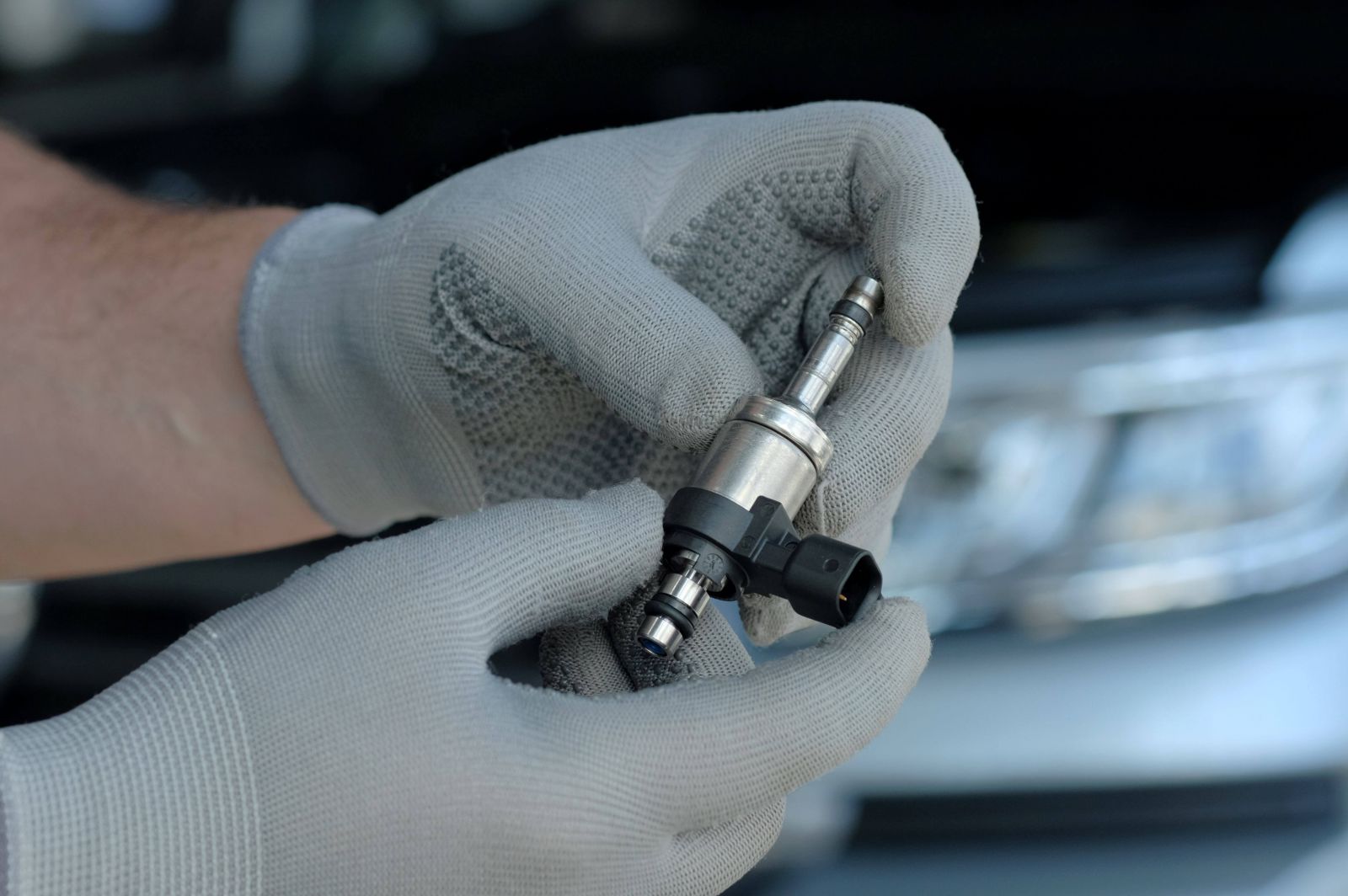
- Fuel injectors: Deposits can affect fuel spray and delivery.
- Intake valves: GDI engines can experience deposits on intake valves because gasoline is injected downstream of the valves.
- Combustion chambers: Deposits can form from combustion byproducts and other materials exposed to high temperatures.
The presence and impact of deposits vary by vehicle, so drivers should follow the maintenance recommendations specific to their engine.
Why Does Fuel Quality Matter?
Fuel is an important part of engine operation, but it is only one part of overall vehicle care.
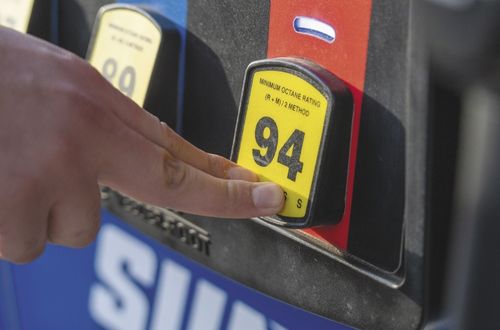
The first step is to follow the vehicle manufacturer's recommendations, including the recommended octane level. Octane measures gasoline's resistance to engine knock, and some engines are designed to operate with higher-octane fuel.
Fuel quality also includes the use of detergent additives. Detergents are added to gasoline to help keep certain engine and fuel-system components clean.
For modern engines, quality gasoline can be one part of a broader approach to maintaining the fuel system and engine.
Fueling and Maintenance Best Practices
Taking care of a modern engine doesn't have to be complicated. A few basic practices can help support proper operation.
Use the Recommended Octane
Check your owner's manual or fuel door for the manufacturer's recommended octane level. If your vehicle requires premium gasoline, use the recommended octane. If it is designed for regular gasoline, using a higher octane does not necessarily provide additional performance or efficiency.
Choose Quality Gasoline
When it's time to fuel up, choose gasoline with appropriate detergent additives and the octane recommended for your vehicle. Sunoco offers gasoline options across a range of octane levels, giving drivers options to match their vehicle's fueling requirements.
Follow the Maintenance Schedule
Regular maintenance remains one of the most important ways to care for a modern engine. Follow the manufacturer's recommendations for oil and filter changes, air filters, spark plugs and other maintenance items.
Pay Attention to Changes
If you notice reduced performance, rough running, unusual noises or a warning light, consult your owner's manual or a qualified automotive professional. Fueling practices are important, but they cannot replace proper maintenance or diagnosis when an issue occurs.
Frequently Asked Questions
Why does my turbo engine recommend premium fuel?
Some turbocharged engines are designed to operate with higher-octane gasoline. The best way to determine the appropriate fuel for your vehicle is to follow the manufacturer's recommendation.
What is direct injection?
Direct injection is a fuel-delivery system that injects gasoline directly into an engine's combustion chamber rather than into the intake port. It allows the engine to precisely control fuel delivery and is common in modern gasoline engines.
What causes engine deposits?
Deposits can form from combustion byproducts, fuel- and oil-related materials and the high temperatures experienced inside an engine. Deposit formation varies based on engine design, driving conditions and other factors.
Can gasoline clean engine deposits?
Quality gasoline containing detergent additives can help control deposits on certain engine and fuel-system components. However, gasoline should not be viewed as a universal solution for existing deposits.
Do turbo engines require premium fuel?
Not necessarily. Some turbocharged engines require or recommend premium gasoline, while others are designed to operate on regular gasoline. Always follow the vehicle manufacturer's recommendation.
Does premium fuel improve every engine?
No. A higher octane rating does not automatically mean better performance or fuel economy. Drivers should use the octane level recommended by the manufacturer.
How can I help maintain my fuel system?
Use the recommended octane, choose quality gasoline, follow your vehicle's maintenance schedule and address warning lights or changes in performance promptly.
What Drivers Should Know
Modern engines have evolved to deliver a balance of performance, efficiency and drivability. Technologies such as direct injection and turbocharging play an important role in that evolution and can create different considerations for fueling and maintenance.
For drivers, the fundamentals remain straightforward: use the fuel recommended by your vehicle manufacturer, choose quality gasoline and stay current with routine maintenance. Choosing quality gasoline, such as Sunoco fuel, can be one part of supporting your vehicle's fuel system and overall performance.
Understanding how your engine's fuel and air systems work can help you make informed fueling decisions and keep your vehicle operating as intended.
Fuel your vehicle with confidence. Explore Sunoco’s fuel options and find a station near you.