
The Sunoco Pit Stop

Why Should I Use 94 Octane in My Car? Understanding Fuel Choices
Posted on 5/2/2025

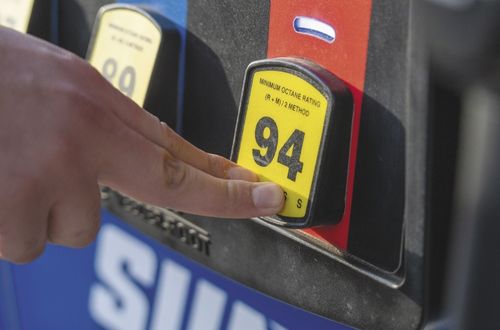
Most fuel pumps offer several grades, from regular to premium. For drivers who prioritize performance or want the best option for their vehicle, choosing the right fuel matters. High-octane fuels like Sunoco 94 Octane are designed to support modern engines, particularly those built for demanding conditions. Here's how 94 Octane works, its key benefits, and how to decide if it's right for your car.
What Is Octane Rating?
The octane rating measures a fuel's ability to resist premature ignition under pressure. Higher-octane fuels are more stable, which means they're less likely to ignite before the spark plug fires, a problem known as engine knock or pinging.
Knocking occurs when the air-fuel mixture in the cylinder ignites too early, during the compression stroke rather than at the intended moment. This creates a counterproductive pressure wave that, over time, can cause poor performance or engine damage. The higher the octane number, the greater the fuel's resistance to knock.
Before switching to a higher-octane fuel, check your vehicle owner's manual for the manufacturer's recommendation.
Benefits of 94 Octane Fuel
Using a high-octane fuel like Sunoco 94 Octane offers meaningful advantages for engines designed to run on premium gasoline.
Prevents Engine Knocking
94 Octane helps prevent knock in high-performance, turbocharged, and high-compression engines. These engines operate at conditions where a less stable fuel would prematurely ignite, so higher octane is essential for smooth, reliable combustion.
Supports Peak Performance
Vehicles calibrated for premium fuel can take full advantage of their engine's design when fueled appropriately. 94 Octane doesn't add power to engines that don't require it, but for those that do, using the correct octane allows the engine to perform as engineered, with better throttle response and efficiency.
Helps Maintain Engine Health
As a TOP TIER™ certified fuel, Sunoco 94 Octane contains enhanced detergent additives that help keep the combustion chamber clean, reducing carbon buildup over time. Using the right octane for your engine also reduces mechanical stress caused by knock.
A Reliable Choice for Modern Engines
94 Octane is engineered to handle the demands of today's engines, whether you're a daily driver or a vehicle enthusiast. For vehicles that recommend premium fuel, it delivers the combustion stability your engine needs for consistent, dependable performance.
Can Any Engine Use 94 Octane?
94 Octane is safe for use in most modern gasoline engines, including those designed for regular fuel. Because it’s a highly stable fuel, it won’t harm an engine that doesn’t specifically require premium. However, it also won’t provide added performance benefits for engines not calibrated to take advantage of higher octane.
If you're unsure which fuel grade is right for your vehicle, your owner's manual is the definitive source. Manufacturers specify fuel requirements to optimize both performance and reliability. For vehicles that call for premium, Sunoco 94 Octane is a strong choice.
Finding 94 Octane Near You
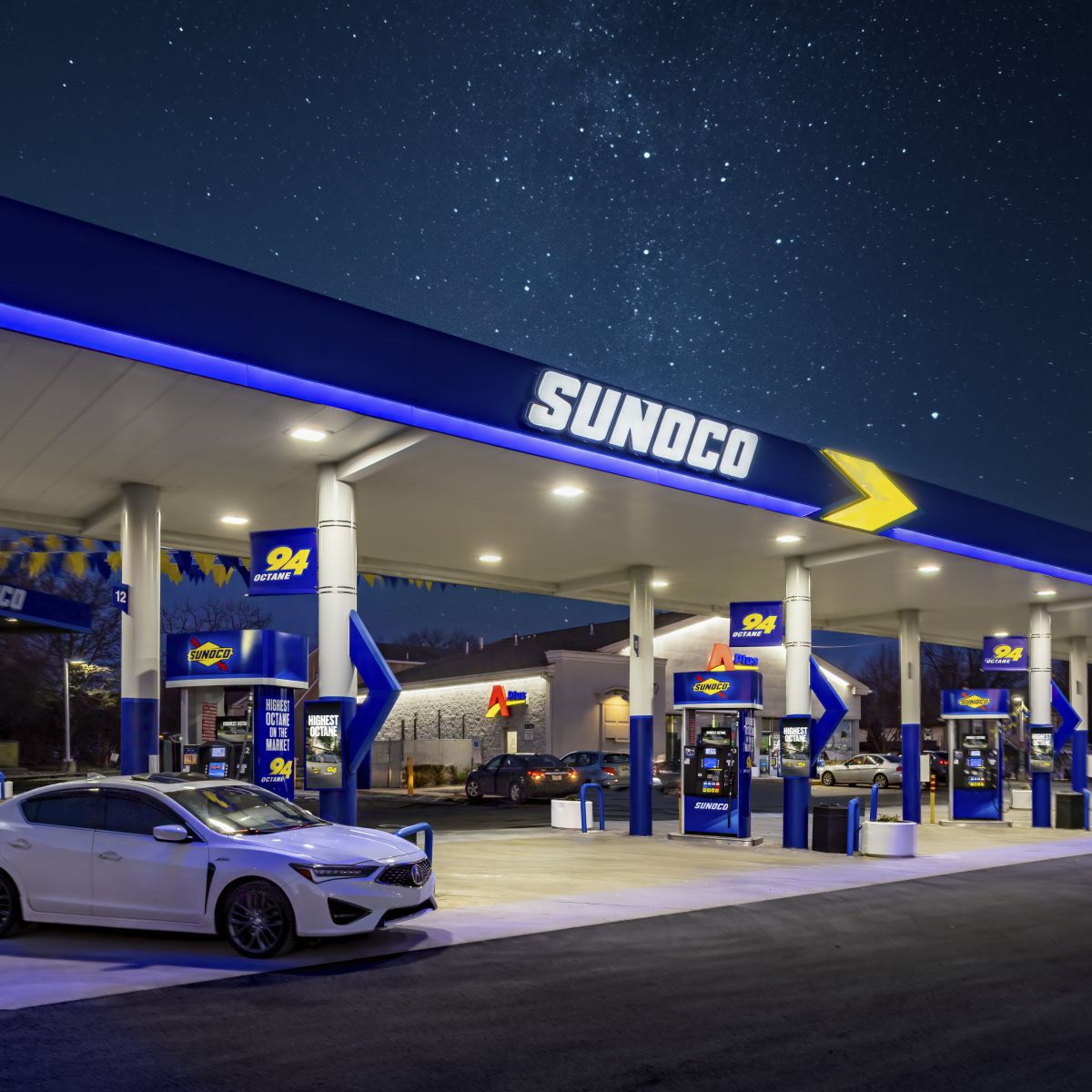
Use the Sunoco station finder to locate a nearby location that carries 94 Octane and other TOP TIER™ performance fuels. The Sunoco Go Rewards® App also includes a built-in station locator, making it easy to find the closest station from your phone.
Choosing 94 Octane is about matching your vehicle's fuel requirement with a high-quality fuel built for stability and performance. Check your owner's manual, consider your driving habits, and fuel accordingly.
Frequently Asked Questions
What is the difference between 93 and 94 octane?
93 octane is the highest-grade fuel available at most gas stations across the U.S. Sunoco 94 Octane provides one additional octane number, offering a slightly greater margin of knock resistance. For high-compression or performance-tuned engines, that extra stability can support more consistent combustion, particularly under aggressive driving conditions or in hot weather. If your vehicle recommends premium fuel (91+), both 93 and 94 are suitable, but 94 provides an extra buffer.
What is the highest octane fuel available at Sunoco?
At Sunoco retail stations, 94 Octane is the highest-grade fuel available for consumer vehicles. Sunoco also produces a full line of specialized race fuels, including formulations well above 100 octane, available through Sunoco Race Fuels for motorsport and competition use.
Will using 94 octane improve my gas mileage?
For vehicles that recommend premium fuel, using the correct octane can help the engine operate efficiently as designed, which may support better fuel economy versus using a lower grade. For vehicles that run on regular fuel, switching to 94 Octane is unlikely to improve mileage in a meaningful way, since the engine isn't calibrated to take advantage of the higher octane.
Is 94 octane the same as premium gas?
Yes. "Premium" fuel is generally defined as 91 octane or higher. Sunoco 94 Octane qualifies as premium fuel and exceeds the minimum premium threshold, making it suitable for any vehicle that recommends or requires premium gasoline.
Can I mix 94 octane with regular or mid-grade fuel?
Mixing fuel grades won't damage your engine. However, blending a high-octane fuel with a lower-grade one will lower the effective octane of the combined fill. For best results, especially in vehicles that require premium, stick with 94 Octane for a consistent, full-tank fill.
My car recommends premium but doesn't require it. Should I use 94 octane?
A "recommended" designation means the manufacturer has optimized the engine for premium fuel, and using it will deliver the best performance and efficiency. Many modern engines can adapt to regular fuel using knock sensors, but they typically pull timing (reduce power) to compensate. If you want the performance your car was designed to deliver, fueling with 94 Octane is the better choice.
Does 94 octane fuel contain ethanol?
Sunoco 94 Octane may contain up to 10% ethanol, in line with standard U.S. gasoline specifications. Ethanol content can vary by location. Station signage will indicate the specific fuel blend available at each site.