
The Sunoco Pit Stop

Maintenance Myths Debunked (Consumer Edition)
Posted on 10/15/2026
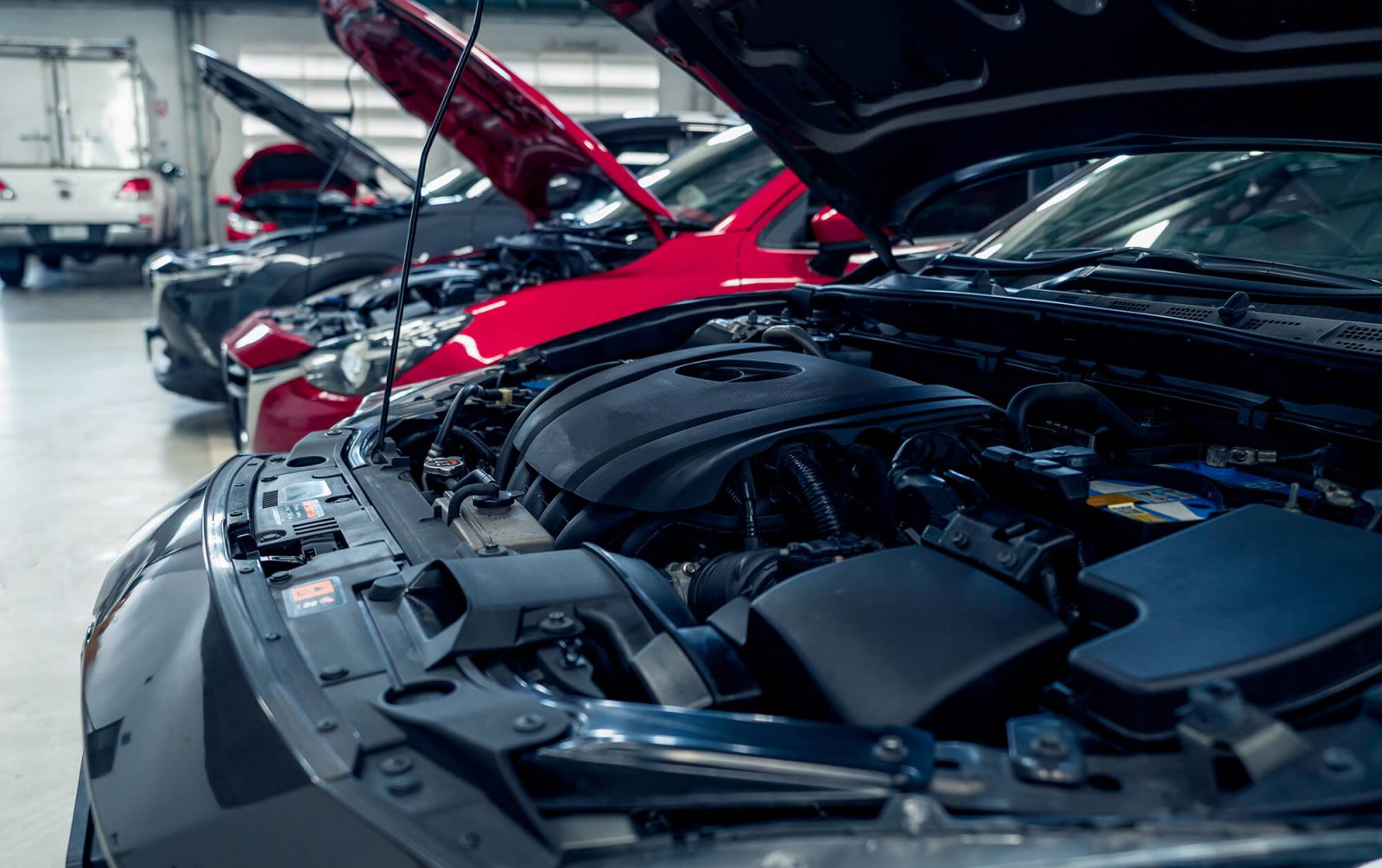
When it comes to vehicle maintenance, drivers hear plenty of advice about what their cars need to run their best. But not all of it is accurate.
Fuel and octane are common sources of confusion. Some drivers assume higher-octane gasoline is always better, while others believe premium fuel can solve engine problems or that race fuel is simply a higher-performance version of pump gas.
The right choice depends on your vehicle, your engine and the recommendations from the manufacturer. Understanding the facts can help you make more informed decisions at the pump.
Myth 1: Premium Fuel Makes Every Car Faster
Reality: Higher-octane fuel is designed for engines that require or recommend it.
Premium gasoline has a higher-octane rating, meaning it is more resistant to engine knock. This can be important for engines designed to operate with higher-octane fuel.
However, using premium in a vehicle designed for regular gasoline does not automatically provide more power or better performance. Always check your owner's manual to determine which fuel grade your vehicle requires or recommends.
Myth 2: Higher Octane Means Better Gasoline
Reality: Octane measures resistance to knock, not overall fuel quality.
Octane measures a fuel's resistance to premature combustion, commonly associated with engine knock or pinging. A higher-octane rating does not mean the fuel is universally better for every vehicle.
Fuel quality also involves characteristics such as detergent additives. Sunoco gasoline is TOP TIER™ approved and meets enhanced detergent requirements.
Learn more about TOP TIER™ fuel and why drivers choose it.
Myth 3: Premium Fuel Cleans Every Engine
Reality: Octane and detergent performance are different things.
A higher-octane rating does not automatically mean a gasoline contains more detergents. Detergent additives are a separate part of a fuel's formulation and help control deposits.
Quality gasoline can support engine cleanliness, but fuel should not be viewed as a replacement for routine maintenance or a guaranteed solution for existing engine problems.
Myth 4: Everyone Should Buy Premium Gasoline
Reality: The right fuel is the one recommended for your vehicle.
Premium gasoline is important for vehicles that require or recommend it, but not every driver needs a higher-octane fuel.
Some engines are designed to operate on regular gasoline, while others are engineered for higher-octane fuel. Instead of choosing the highest number at the pump, follow your vehicle manufacturer's recommendation.
Myth 5: Race Fuel Is Better Than Pump Gas
Reality: Race fuel and pump gasoline are formulated for different applications.
Race fuel isn't simply a better version of everyday gasoline. Pump gasoline is designed for everyday road vehicles, while race fuels are formulated for specific motorsports and performance applications.
Sunoco has more than 50 years of experience developing race fuels for motorsports, with specialized products designed for racing applications. For a daily driver, the appropriate choice is generally the fuel specified by the vehicle manufacturer. Learn more about the differences between race fuel and pump gas.
Myth 6: Switching to Premium Will Always Stop Engine Knock
Reality: Higher-octane can help prevent knock, but it won't solve every engine problem.
Because higher-octane fuel is more resistant to knock, using the correct octane can help an engine operate as intended. However, persistent knocking or pinging can have other causes.
If you regularly hear unusual engine sounds or notice changes in performance, consult your owner's manual and have the vehicle properly inspected. The right fuel is important, but it isn't a substitute for diagnosing a mechanical issue.
Myth 7: Fuel Additives Can Fix Every Engine Problem
Reality: Fuel additives have specific purposes and aren't a replacement for maintenance.
Fuel additives may be formulated for specific applications, but they aren't a universal solution for starting problems, poor performance, warning lights or other vehicle issues.
Always follow the product's intended use and your vehicle manufacturer's recommendations. When a problem persists, proper inspection and maintenance are the better place to start.
Myth 8: Every Vehicle Can Use Any Fuel
Reality: Vehicles have specific fuel requirements.
Engine design, compression and calibration all influence a vehicle's fuel requirements. Following the manufacturer's recommendations helps support proper engine operation.
When you're unsure which fuel to choose, check your owner's manual before filling up.
Fuel Facts to Keep in Mind
Choosing the right fuel doesn't have to be complicated:
Follow your owner's manual. Your manufacturer provides the best guidance on fuel requirements.
Know what octane means. Higher octane means greater resistance to knock; it does not automatically mean better fuel for every vehicle.
Don't confuse octane with detergency. They serve different purposes within gasoline.
Use fuel for its intended application. Race fuel and pump gasoline are designed for different vehicles and applications.
Keep up with maintenance. The right fuel supports proper operation but does not replace routine service.
At Sunoco, fuel is backed by decades of experience in both everyday driving and motorsports. Knowing what your vehicle needs can help you make a confident choice every time you fill up.
Frequently Asked Questions
Is premium gasoline worth it?
Premium can be worth using when your vehicle requires or recommends it. Vehicles designed for regular gasoline may see little benefit from switching to premium.
Can I switch between regular and premium?
Follow your vehicle manufacturer's recommendations. If your vehicle requires premium, continue using the recommended fuel grade.
Does premium improve fuel economy?
Not automatically. Some engines are designed to take advantage of higher octane, while others may see little or no benefit.
Does gasoline expire?
Gasoline can degrade over time, especially when stored improperly. Follow your vehicle or equipment manufacturer's recommendations for fuel that has been sitting unused.
What happens if I accidentally use the wrong octane?
The effect depends on the vehicle and fuel used. Consult your owner's manual for guidance, and have the vehicle checked if you notice persistent knocking or other unusual symptoms.
Is race fuel the same as premium fuel?
No. Race fuel is formulated for specific motorsports and performance applications, while pump gasoline is designed for everyday road vehicles.
Make a Confident Choice at the Pump
Choosing the right fuel starts with understanding your vehicle's needs. Follow your manufacturer's recommendations, know what your octane rating means and choose fuel formulated for your vehicle. For a convenient stop along the way, find a Sunoco station near you.